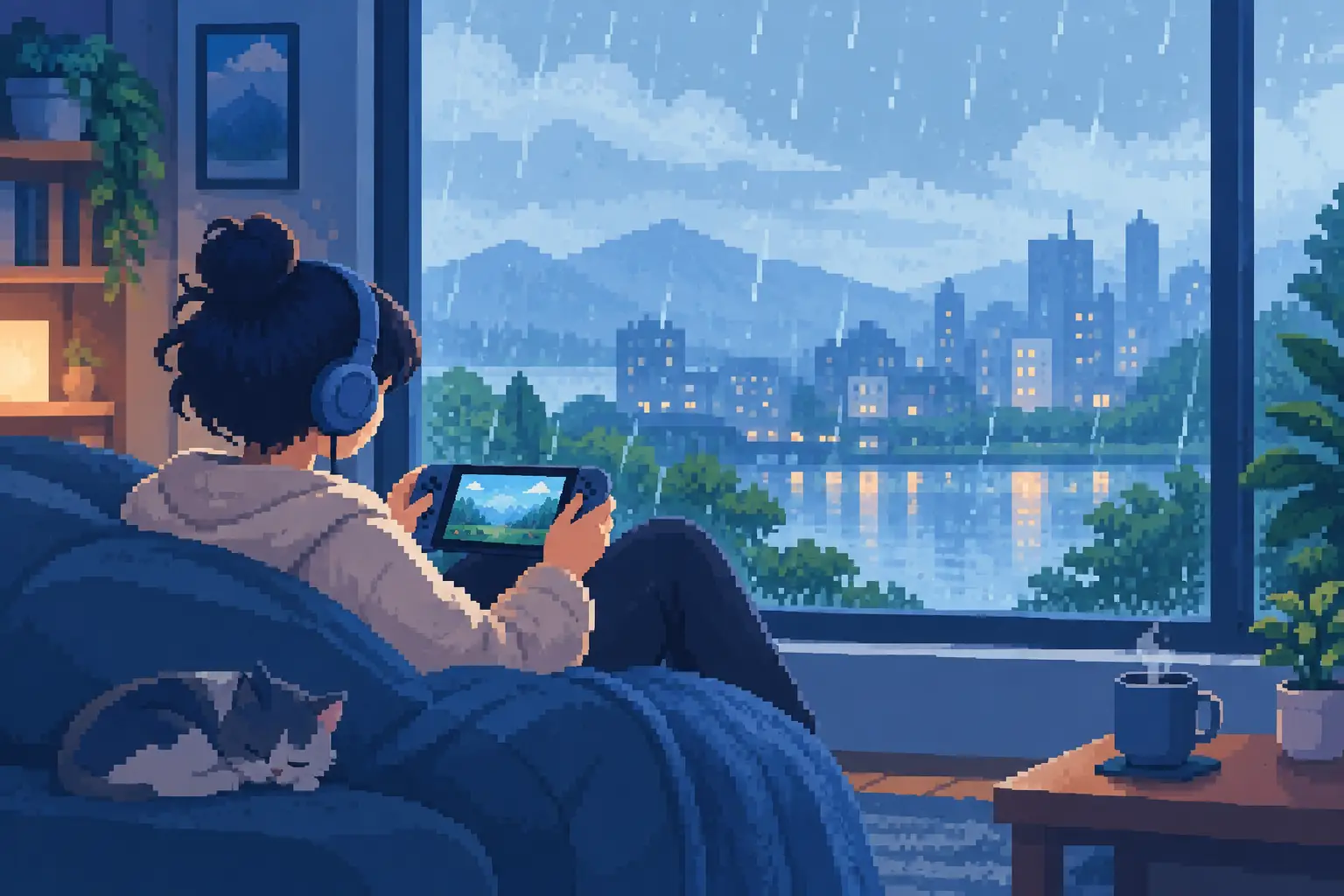
A five-minute break used to mean checking messages, scrolling until the next task, or opening a game that immediately demanded attention. The most meaningful casual gaming trends are moving in a gentler direction: play that fits into real life without filling every quiet moment with timers, competition, or pressure.
For many players, a casual game is no longer simply a small game. It is a small pocket of relief. A satisfying animation, a simple tap, and the soft reassurance that progress continues while life carries on can be more valuable than another leaderboard to climb. That shift is changing what players notice, what they return to, and what makes a game feel worth keeping on their phone.
Casual Gaming Trends Now Favor Ease Over Urgency
Casual games have always been built around accessibility, but accessibility is becoming more emotional as well as mechanical. Players want to understand a game quickly, yet they also want to feel comfortable inside it. A clean screen, clear goals, and a forgiving rhythm make a difference when someone is playing between meetings, while waiting in line, or settling down before sleep.
This does not mean players have lost interest in progression. They still enjoy watching numbers rise, choosing upgrades, collecting rewards, and reaching a fresh milestone. The difference is in how that progress is presented. Constant alerts, fear of missing out, and punishing daily streaks can turn a relaxing habit into another obligation. Gentle progression gives players something pleasing to return to without making them feel behind when they step away.
Idle and incremental games fit naturally into this moment. Their core promise is simple: a small action can set a satisfying system in motion. Offline earnings and prestige mechanics add long-term structure, while short sessions remain rewarding. For a player who wants entertainment without a heavy cognitive load, that balance feels generous rather than demanding.
Visual Comfort Is Becoming a Game Feature
A game can be easy to play and still feel exhausting to look at. Bright reward bursts, crowded menus, and rapid movement may create excitement, but they can also compete for attention. As more people use casual games to decompress, visual atmosphere is becoming part of the experience rather than a decorative extra.
Soft lighting, natural motion, calming colors, and uncluttered interfaces create a different kind of pull. They invite players to linger without asking them to perform. There is a quiet satisfaction in watching a well-made animation repeat with believable weight and rhythm, whether it is a garden growing, clouds drifting, or droplets collecting on a window.
This is where sensory design matters. A fluid 60 FPS motion can feel soothing because the eye does not have to work through visual friction. Gentle sound, if a player chooses to use it, can support the same effect. Neither element needs to be loud or dramatic. The best ambient details often feel almost effortless, creating a background mood that is pleasant even when the player is doing very little.
For games in the relaxation space, beauty must also serve clarity. A dreamy visual style should never hide the next meaningful choice or make basic information difficult to read. Calm is not confusion. It is a design that lets the player understand what is happening at a glance, then enjoy the scene around it.
The Appeal of Tiny, Visible Rewards
Large rewards can be exciting, but small rewards are often what shape a daily habit. A counter ticking upward, a new upgrade becoming available, or an object gradually changing on screen gives the brain a clear signal that time has been well spent. When these moments arrive at a comfortable pace, they offer satisfaction without a rush.
The strongest casual experiences make progress visible in more than one way. Numbers provide certainty. Animation provides feeling. A player may enjoy earning a currency, but watching that achievement change the world on screen makes it more memorable. This is especially true in idle games, where the pleasure comes from observing a system that continues to flourish.
Flexible Play Matters More Than Perfect Engagement
Mobile players do not all have the same schedule, energy, or reason for opening a game. Someone may play for thirty seconds in the morning and twenty minutes at night. Someone else may leave a game open while taking a breather from work. Casual games increasingly succeed when they respect both patterns.
That means no single play style should be treated as the correct one. An active player can enjoy making upgrade choices and timing a collection. A passive player can appreciate returning later to a welcome set of offline rewards. Both should feel like they are participating, not like one is missing the real game.
There is a trade-off here. A game with too little interaction can become forgettable, while one with too many systems can lose the calm that brought players in. The sweet spot depends on the audience and the moment. For a wellness-minded game, the ideal loop often offers a meaningful choice, a beautiful result, and permission to pause.
This is also why session design matters. A player should be able to close the app at any point without anxiety. Progress that waits patiently creates trust. It tells the player that the game is there to support a break, not take control of one.
Casual Gaming Is Becoming More Personal
The broad casual audience is not one type of player. Some people want a puzzle to sharpen their focus. Others want a cozy collection game, a familiar card game, or an idle loop that asks almost nothing of them. The growing opportunity is not to force every player into the same engagement model, but to offer a clear emotional promise.
For relaxation-focused players, customization can deepen that promise. The ability to adjust sound, reduce visual intensity, choose a preferred pace, or simply play without interruption gives people more ownership over their downtime. These options do not need to be complicated. Their value comes from letting the experience meet the player where they are.
A game such as Droplet Idle reflects this gentler direction by pairing passive progression with the familiar comfort of rain on glass. The player can enjoy upgrades and long-term growth, but the central feeling remains one of watching, waiting, and unwinding. It is a reminder that a casual game can have depth without carrying a sense of urgency.
What Players Will Keep Choosing
The casual games that last will not necessarily be the loudest. They will be the ones that understand why a person reached for their phone in the first place. Sometimes that reason is curiosity or a quick challenge. Often, it is the desire for a brief, satisfying reset.
Players are likely to keep gravitating toward games that make their time feel lighter: simple rules, clear rewards, welcoming return moments, and visuals with enough care to be enjoyable on their own. Progress will remain essential, but pressure will be optional.
The next quiet moment does not need to be optimized. It can simply be a chance to watch something beautiful move, collect a small reward, and let the day soften for a while.